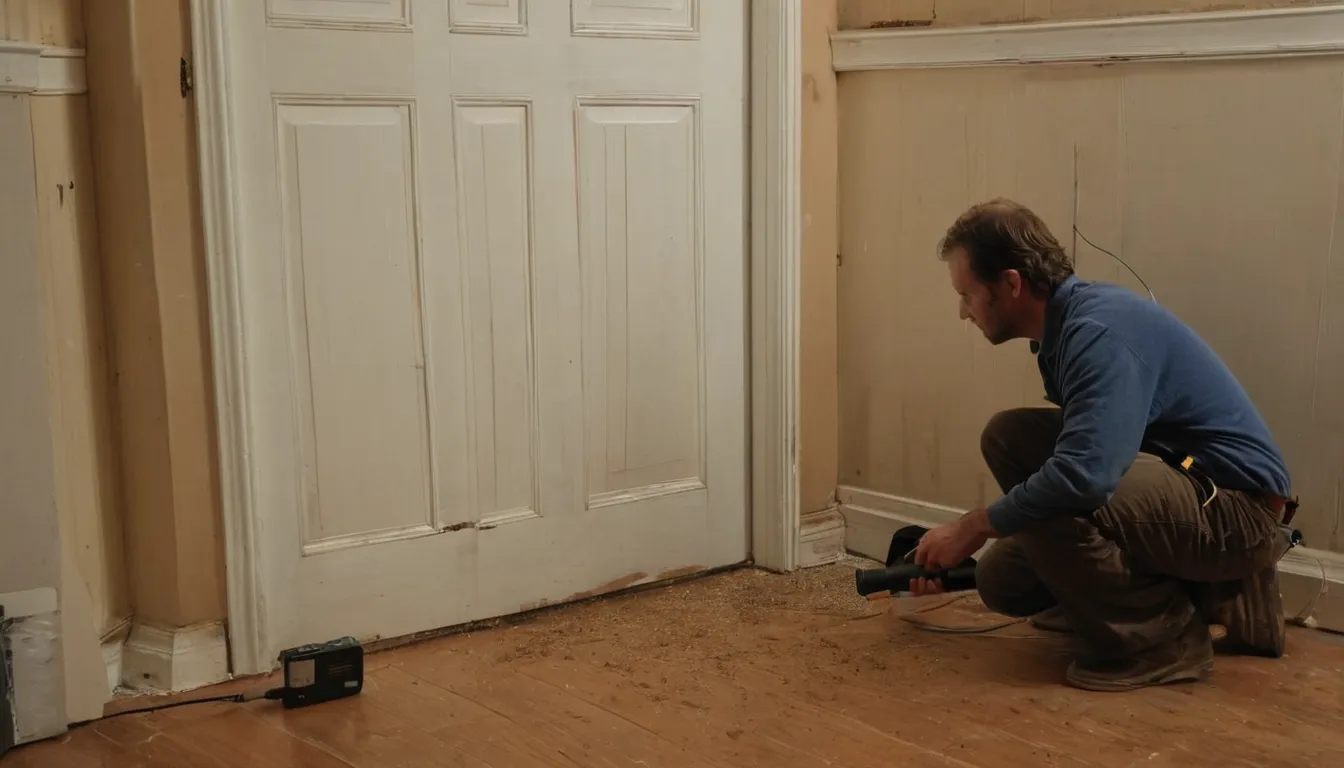
Home Termite Treatment in Jacksonville
Request a termite inspection
Home termite treatment covers inspections, treatments that stop an active colony and ongoing protection so termites do not return. In humid, warm regions, several types are common: native subterranean termites, Formosan termites that form very large colonies, and drywood termites that live inside wood without soil contact.
Diverszone Pest Control connects homeowners in the Jacksonville area with independent providers who handle termite work. Older homes deserve extra care, since earlier treatments may have worn off and past repairs can hide old damage. The provider inspects, explains what they find and gives you a written estimate. Termites work slowly, so you usually have time to ask questions and compare before you decide.
Found Signs of Termites? Do This First
Do:
- Leave mud tubes and wings where they are
- Take photos and note the location
- Collect a few winged insects in a sealed bag if you can
- Request an inspection
Do not:
- Spray the tubes or wings with store products
- Break open walls or baseboards to look inside
- Try to treat the soil yourself
- Sign a contract on the spot out of fear
Why Termites Need Prompt but Calm Attention
Termite damage builds over months and years, so there is usually time to make a careful choice. Still, an active colony keeps feeding every week. Formosan colonies are especially large and can cause damage faster. Booking an inspection soon after you see signs keeps your options open and repair costs lower.
Warning Signs
- Swarms of winged insects near lights or windows, often on warm, humid evenings in spring
- Piles of discarded wings on sills and floors
- Pencil-width mud tubes on the slab edge, block walls or garage
- Small pellets near wood, a sign of drywood termites
- Wood that sounds hollow or crumbles
- Bubbling paint or warped door frames
Types of Termites
Native subterranean termites
Live in the soil and build mud tubes to reach wood. Common under slab homes.
Formosan termites
A subterranean type that forms very large colonies and can also nest above ground in damp areas of a home.
Drywood termites
Live inside dry wood, such as attic framing, trim and furniture. They do not need soil contact and leave small pellets.
Special Care for Older Homes
Older homes raise a few extra questions:
- Has the home been treated before? Many liquid treatments lose strength after several years.
- Were there past repairs? Patched wood or new drywall can hide old damage.
- Are there wood-to-soil contacts? Older porches, steps and fences often touch the ground.
- Is there hidden moisture? Aging roofs and plumbing can create damp areas termites like.
Tell the provider what you know about your home's history. Ask them to note any old damage separately from new activity.
Treatment Options
Liquid soil treatment
A termiticide is applied to the soil along the foundation and through drilled holes in slabs, creating a treated zone.
Bait systems
Stations placed around the home draw termites in. Termites carry the bait back to the colony over time. Requires ongoing monitoring.
Spot treatment for drywood termites
Local treatment of affected wood, used for small, contained infestations.
Whole-structure fumigation
Tenting the home for widespread drywood termites. The household and pets must leave for a few days, and food and medicine must be bagged or removed.
Safety Questions to Ask
- Which product or method will you use, and why?
- Will you drill through floors or the slab, and where?
- What do I need to do with food, medicine, plants and pets?
- If fumigation is suggested, could spot treatment work instead?
- How long until we can use treated areas again?
Questions for Hiring With Confidence
Where is the activity, and can you show me? Good answer: the provider shows you the evidence.
What area will be treated? Good answer: the full treated area listed in writing.
What does the warranty cover? Good answer: clear terms on re-treatment and any repair coverage.
What does renewal cost? Good answer: a stated yearly amount.
Red flags: pressure to sign today, warranty terms only spoken, no license shown.
After Treatment
- Keep mulch and soil away from the stucco and slab edge
- Fix roof and plumbing leaks promptly
- Replace wood that touches the soil
- Store firewood away from the house
- Keep yearly inspections on the calendar
- Keep all termite paperwork together
What's Included
Careful Inspection
Slab edge, walls, garage, attic and old repairs checked for termites and damage.
Soil Treatment
A treated zone along and under the foundation.
Bait or Spot Options
Bait stations or local treatment, depending on the termite type.
Monitoring
Yearly checks and renewal terms in writing.
Typical Termite Treatment Costs
These are typical U.S. ranges to help you plan. Price depends on the termite type, the home's size and age, and the method. Ask for a written quote with the warranty and renewal terms.
| Service | Typical range | Notes |
|---|---|---|
| Termite inspection | $75 to $200 | Often credited toward treatment |
| Liquid soil treatment | $1,200 to $3,500 | Depends on perimeter and slab |
| Bait station system | $1,000 to $3,000 | Plus yearly monitoring |
| Drywood spot treatment | $300 to $900 | Small, local infestations |
| Whole-structure fumigation | $2,000 to $6,000 | Household leaves for a few days |
| Annual renewal | $200 to $400 | Varies by plan |
How It Works
Report the Signs
Wings, mud tubes, pellets or soft wood, with photos.
Book an Inspection
A local provider contacts you to set a time.
Review the Options
Soil, bait, spot or fumigation, explained in writing.
Protect the Home
Choose a plan and keep yearly checks going.
Why Call Diverszone Pest Control
Safe Choices
Clear guidance on what to do and what to avoid with termites.
Older Home Insight
Providers check for worn-off treatments and hidden old damage.
Clear Warranties
Know what the plan covers before you sign.
No Obligation
Take time to compare and decide.
Other Services
Need home termite treatment in Jacksonville?
Describe what you have found and how old your home is. An independent local provider will contact you, inspect and give you a written estimate.
No obligationHome Termite Treatment FAQ
What is the difference between Formosan and native termites?
Both live in the soil and build mud tubes. Formosan termites form much larger colonies, can nest above ground in damp spots and may cause damage faster. A provider can identify which type you have.
Do I need to tent my house for termites?
Usually only for widespread drywood termites. Subterranean and Formosan termites are treated with soil treatments or baits. If fumigation is suggested, ask whether spot treatment could work instead.
How do I know if an old termite treatment is still working?
Many liquid treatments lose strength over time. If you do not know when your home was last treated, or it was many years ago, an inspection can show whether protection is still in place.
Get in touch
Describe what you have found and how old your home is. An independent local provider will contact you, inspect and give you a written estimate.
No obligation